Essays
Autumn issue · Page 12
The River Road
For eleven days we followed the Arn from its source to the sea, on foot when we could and by ferry when we had to.
Words by Mara Holt · Photographs by Ilse Brandt · Read the essay
The river begins as a wet patch on a hillside, and for the first two days it would be generous to call it anything more. We walked beside it through bracken and sheep, stepping across when the path ran out, and at night we slept in barns with the door open so we could hear it. By the third morning it had found its voice. The farmers along the upper valley talk about the water as they talk about a difficult relative, with patience and a long memory. One of them, drinking tea on an upturned crate, told us the year the bridge went and the year it came back. He had never followed the river to the sea and saw no reason to start now. Below the mill the valley opens, and the road that gives this essay its name begins, a thin grey line keeping the water company.
There is a ferry at Lund that runs when the ferryman feels like it. We waited an afternoon on the slipway, eating plums, and nobody seemed to find this unusual. The far bank is another country in every way but the map. Towns get closer together here, and the river starts to carry things: barges of gravel, a drowned bicycle, the reflection of a gasworks turned almost beautiful by evening. People stopped asking where we were going and started asking why. It is a fair question, and I never found an answer that survived being said out loud. On the eleventh day the banks fell away and the air began to taste of salt. There was no moment when the river ended. It simply widened until it was something else, and we stood on the shingle for a long time, reluctant to be the ones who turned around first.
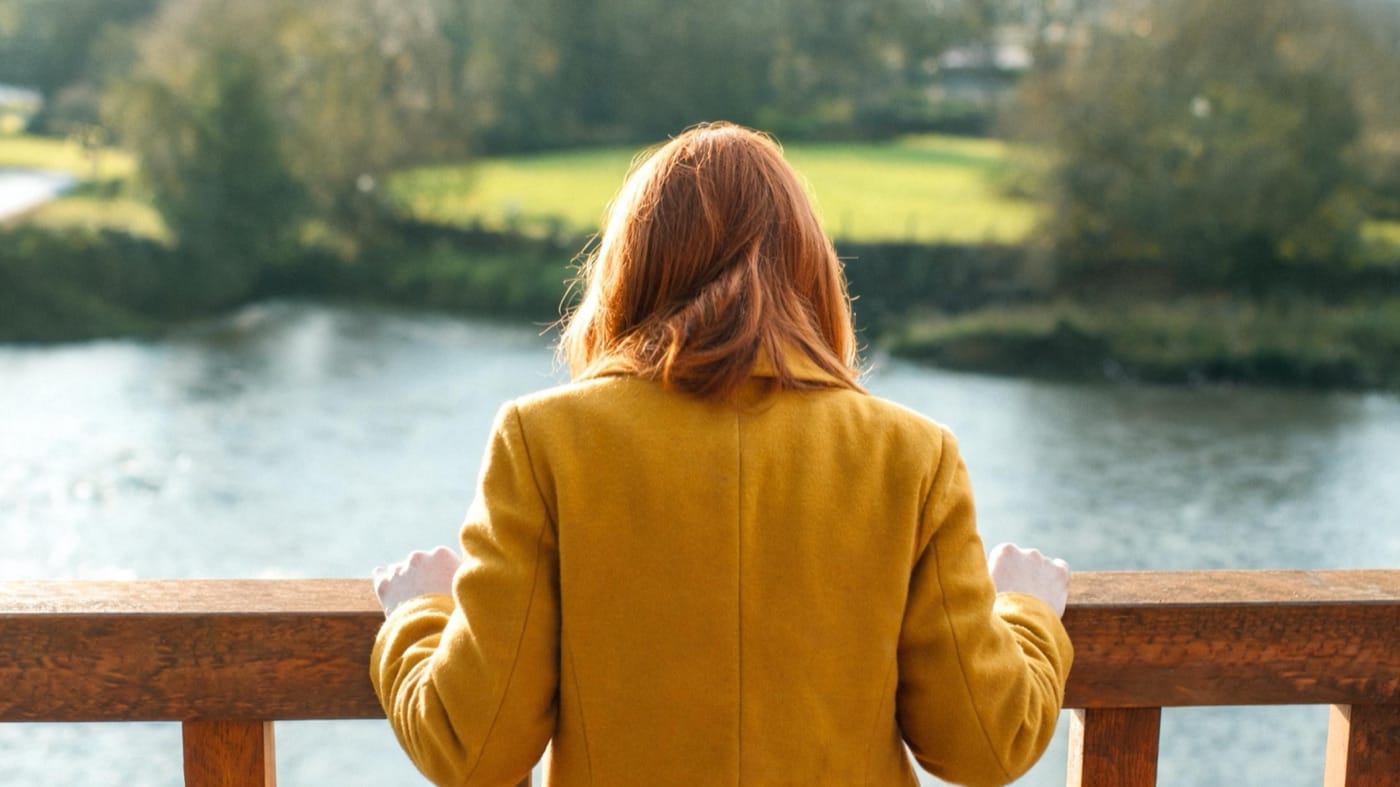
The upper Arn, on the second morning